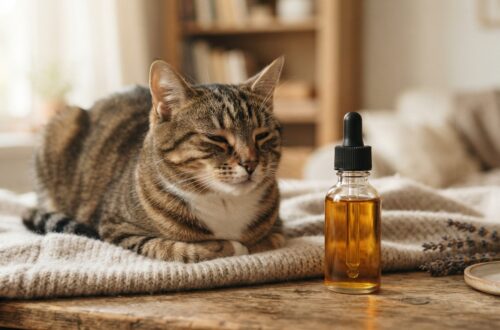
Cats often thrive on predictable routines. Regular meals, familiar sleeping areas, consistent litter box locations, and daily play can make the home environment easier for a cat to navigate. When that routine changes, some cats may become withdrawn, restless, vocal, or unusually cautious.
For owners considering Holistapet CBD Cat Treats, it helps to look beyond the product itself. A relaxed feline routine starts with environmental stability, appropriate enrichment, observation of behavior, and attention to possible medical causes of unusual behavior. CBD products require additional care because research involving cats remains limited.
Why Routine Matters to Cats
Cats are creatures of habit, and changes to their surroundings can affect their behavior. Moving furniture, introducing a new animal, changing feeding times, or bringing unfamiliar people into the home can create temporary disruption.
A cat may respond by hiding, avoiding certain areas, eating less, or becoming more vocal. Some changes are subtle. A cat that usually sleeps in an open area may suddenly choose a secluded corner, for example.
These behaviors should be viewed in context. A temporary response to a clear environmental change may resolve once the household returns to normal. Persistent changes deserve closer attention because illness and pain can also affect feline behavior.
Common Routine Disruptions
Several everyday events can affect a cat’s sense of familiarity:
- Moving to a different home
- Introducing another cat or dog
- Changing the location of food bowls
- Moving litter boxes
- Renovations or loud construction
- Frequent visitors
- Changes in household schedules
- Travel
- New furniture or unfamiliar objects
- Reduced access to favorite resting places
Cats can also experience conflict when resources are limited. In multi-cat households, separate feeding areas, litter boxes, resting locations, and escape routes can help reduce competition.
Building a Predictable Daily Schedule
A consistent schedule does not have to be rigid. Meals can be provided around similar times, play sessions can occur at familiar parts of the day, and quiet periods can be preserved for resting.
Cats also need control over their environment. A cat should have places where it can retreat without being disturbed, especially during noisy activities or when unfamiliar people are present.
Simple Routine Improvements
A household can support predictable feline behavior by:
- Keeping meal times reasonably consistent
- Providing fresh water every day
- Cleaning litter boxes regularly
- Maintaining familiar sleeping areas
- Offering daily play opportunities
- Allowing uninterrupted rest
- Keeping scratching surfaces accessible
- Providing elevated spaces when appropriate
- Introducing changes gradually when possible
These measures do not require specialty supplements. They are basic environmental practices that can benefit cats regardless of whether CBD products are ever considered.
What CBD Means in Pet Products
CBD stands for cannabidiol, a naturally occurring cannabinoid found in cannabis plants. THC is another cannabinoid and is associated with intoxicating effects. CBD and THC are chemically distinct, although hemp-derived products can contain varying amounts of other cannabinoids.
Interest in CBD for companion animals has grown, but feline research remains limited. The U.S. Food and Drug Administration states that cannabis is not approved for use in animals and that it cannot assure the safety or effectiveness of cannabis products marketed for pets.
This distinction matters because availability is not the same as regulatory approval. A product can be commercially available without having been approved as a veterinary treatment.
For a cat owner, the practical question is therefore not simply whether CBD products exist. The more useful questions concern ingredients, quality, evidence, potential interactions, and whether a veterinarian considers the product appropriate for that individual cat.
Evaluating CBD Treat Ingredients
A CBD treat usually contains several ingredients besides cannabidiol. These can include proteins, fats, oils, flavoring agents, preservatives, and other components designed to create a particular texture or taste.
A cat with dietary restrictions may react to one of these ingredients rather than CBD itself. This makes careful review of the full product composition especially important.
When evaluating a CBD treat, it is useful to look at the label and supporting information as a whole. The amount of CBD per serving should be clearly stated so that dosing is not left to guesswork. The ingredient list should be complete and transparent, allowing owners to identify potential allergens or unnecessary additives. Information about THC content is also important, since even trace amounts may matter for sensitive animals.
It is also helpful when manufacturers provide batch or lot numbers, as this allows a specific product to be traced back to its production run. Independent laboratory testing, when available, can offer additional insight into whether the product contains what the label claims. Feeding instructions should be clear and realistic for feline use, and storage guidance should help maintain product stability. Finally, knowing the manufacturer and their contact information adds an additional layer of accountability.
The FDA has reported concerns about CBD products that do not always match their labeled contents, including inconsistencies in CBD concentration and potential contamination issues. Because of this, documentation and transparency from manufacturers are especially important. When laboratory reports are provided, they should ideally correspond directly to the exact product or batch being used, rather than a general sample.
Introducing a New Treat Into a Routine
A cat’s normal diet should remain stable when a new treat is being evaluated. Introducing multiple foods, supplements, or treats at the same time makes it difficult to identify which product caused a change.
A controlled approach is easier to monitor.
A Useful Sequence
Start by reviewing the ingredients and serving instructions. If the cat has an existing medical condition or takes medication, veterinary guidance should come before introducing the product.
Once the product has been reviewed, maintain the cat’s ordinary meals and observe the animal for changes in appetite, stool, behavior, activity, and general comfort.
A record can be useful. Note the date the treat was introduced, the product name, the amount given, and any noticeable changes afterward.
The goal is not to diagnose a condition at home. The purpose is simply to maintain an accurate record that can help if veterinary advice becomes necessary.
CBD and Medication Considerations
Older cats and cats with chronic conditions may already receive prescription medication. CBD can potentially affect the way some medications are processed by the body.
The FDA has identified possible drug interactions among the safety questions associated with CBD products.
Veterinary review is particularly important when a cat takes multiple medications. The veterinarian can consider the animal’s current treatment plan, medical history, and the ingredients in the proposed product.
A supplement should not be used to replace prescribed medication unless a veterinarian specifically recommends a change.
Recognizing When Behavior May Signal Illness
A relaxed routine cannot prevent every cause of behavioral change. Cats may alter their habits because of pain, dental problems, urinary disease, digestive problems, endocrine disorders, or other health conditions.
Behavioral changes that deserve attention include:
- Sudden hiding
- Significant appetite loss
- Repeated vomiting
- Changes in urination
- Persistent litter box avoidance
- Unusual aggression
- Marked lethargy
- Sudden changes in grooming
- Difficulty walking or jumping
- Noticeable weight loss
A cat that stops eating should receive prompt veterinary attention, particularly when the problem persists or occurs alongside other symptoms.
This is one reason calming treats should not become the first response to every behavioral change. Identifying the underlying cause is more useful when a health problem may be involved.
Making the Home More Comfortable
Environmental design can influence how easily a cat handles ordinary household activity. A cat should have access to safe resting areas and should not be forced into social interaction.
During noisy events, a quiet room with familiar bedding, water, and a litter box may provide a temporary retreat. Doors should remain secure, particularly if the cat is frightened and might attempt to escape.
Vertical space can also be useful. Shelves, cat trees, and elevated resting areas allow some cats to observe their surroundings from a location that feels secure.
Play provides another outlet. Short, regular sessions with appropriate toys can offer physical activity and mental stimulation without overwhelming the cat.
Understanding Product Claims
CBD treats may be described with terms such as “calming,” “relaxing,” “comfort,” or “wellness.” Such terms should not automatically be interpreted as proof of a clinically established effect.
The FDA has taken action involving animal products marketed with CBD-related medical claims and has stated that cannabis products are not approved for use in animals.
Consumers should therefore separate product descriptions from scientific evidence. A marketing statement may describe the intended purpose of a product, while research determines whether a claimed effect has been demonstrated.
This distinction is particularly relevant when a cat has persistent anxiety-like behavior. Environmental management and veterinary assessment may be more appropriate starting points than relying on a supplement.
A Balanced Treat Routine
Treats can have a practical place in feline care. They may be used during training, handling exercises, grooming, or positive reinforcement.
However, treats should remain a small part of the overall diet. Excessive treats can contribute additional calories and may interfere with a balanced feeding plan.
For cats with food allergies or dietary restrictions, every treat should also be checked against the established diet.
A predictable routine can be maintained even when treats are included. The main meals, water access, litter box care, play, rest, and enrichment remain the foundation.
When to Seek Veterinary Help
Professional guidance is appropriate when a cat develops persistent behavioral changes, unexplained physical symptoms, or an unusual reaction after consuming a new product.
The FDA has reported possible adverse effects associated with cannabis exposure in animals, including lethargy, depression, excessive drooling, vomiting, agitation, tremors, and seizures.
If significant symptoms occur after a CBD-containing treat, veterinary advice should be sought promptly. Keeping the packaging can help identify the product, ingredients, cannabinoid content, and batch information.
Final Thoughts
A predictable home environment, enrichment, appropriate nutrition, and regular veterinary care provide a strong foundation for relaxed feline routines. CBD treats should be approached separately from these basics, with careful attention to product information, limited feline evidence, possible interactions, and the cat’s individual health needs.