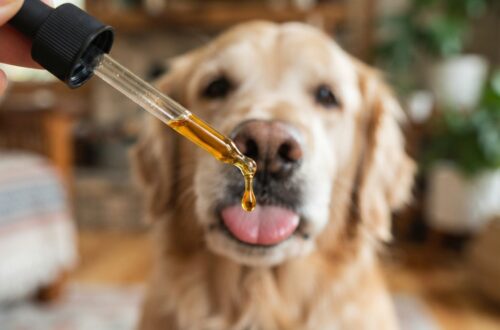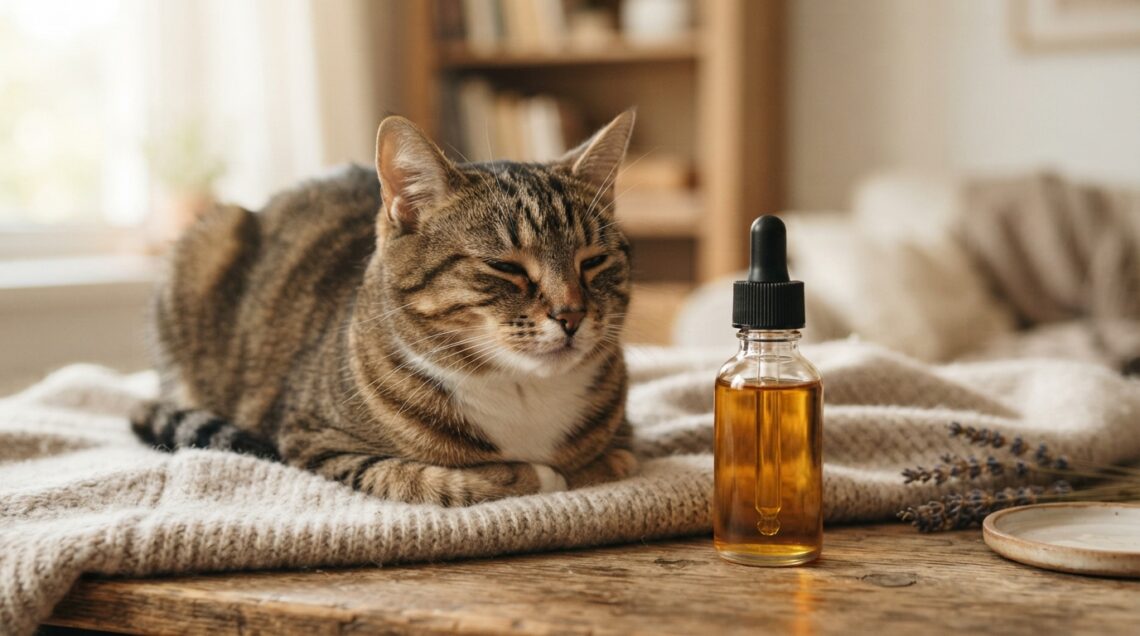
Pet owners often look for additional ways to support a cat’s comfort and daily routine. Interest in plant-derived supplements has increased, and cannabidiol, or CBD, is now discussed frequently in conversations about feline wellness. The subject can be confusing because product advertisements sometimes move faster than scientific evidence.
Holistapet CBD Oil for Cats may contain different concentrations, carrier oils, and additional plant compounds depending on the manufacturer. Before considering a product, it helps to understand what CBD is, what research has actually examined, and which factors should be reviewed before adding a cannabinoid product to a cat’s routine.
Natural Does Not Mean Automatically Suitable
The word “natural” describes a source, not a safety profile. Many substances found in nature can affect animals strongly, and cats have specific metabolic characteristics that make ingredient selection especially important.
CBD is derived from cannabis plants or hemp, but the final product depends on how the plant material is extracted and processed. A bottle may contain isolated CBD, a broader cannabinoid extract, or additional botanical ingredients.
The complete formula matters.
Start With the Ingredient Panel
A product intended for a cat should have a clear ingredient list. If the label is vague, determining what the cat will actually consume becomes difficult.
Look for:
- A clearly stated CBD amount.
- Product volume.
- CBD concentration when available.
- Complete ingredients.
- THC information.
- Batch identification.
- Manufacturer details.
- Storage instructions.
The carrier oil should also be identified. Products formulated for humans may contain flavorings or other additives that are unnecessary or inappropriate for cats.
Essential oils require particular caution. Several essential oils can cause adverse effects in cats, so a product containing botanical oils should be reviewed carefully before use.
What CBD Means in Feline Care
CBD is one of several cannabinoids found in cannabis. It interacts with biological pathways associated with the endocannabinoid system, which exists in mammals.
Research into this system has contributed to interest in cannabinoids as possible veterinary tools. The presence of cannabinoid receptors, however, does not establish that a specific CBD product treats a specific feline condition.
There is a major difference between biological plausibility and clinical evidence.
Separating Three Different Questions
When evaluating a CBD product, three questions should be kept separate:
- What is in the product? Laboratory testing can help answer this.
- How does a cat process it? Pharmacokinetic research can provide information.
- Does it help a particular condition? Controlled clinical research is needed to answer this.
A product may have a verified CBD concentration while still lacking evidence for a particular therapeutic claim.
That distinction helps prevent scientific findings from being stretched beyond what the research actually shows.
What Feline Studies Have Found
Researchers have conducted studies examining CBD and hemp-derived products in cats. A 2019 study published in Animals examined repeated oral CBD administration in healthy cats and evaluated pharmacokinetics and tolerability.
The research provided information about CBD exposure in cats and documented some observed adverse effects. It did not establish CBD as a treatment for anxiety, arthritis, cancer, seizures, or other common conditions mentioned in online advertising.
A separate study in Frontiers in Veterinary Science investigated the pharmacokinetics and safety of a broad-spectrum hemp extract in cats. Again, this type of work helps researchers understand how the substance behaves in feline bodies.
Why Study Design Matters
Suppose a study measures how much CBD appears in a cat’s bloodstream. That can tell researchers about absorption and metabolism.
It cannot tell them whether the cat’s arthritis improved.
A clinical effectiveness study would need to define a condition, establish appropriate outcome measures, compare groups when possible, and assess adverse effects. Without that type of evidence, treatment claims should remain cautious.
Understanding the Product Spectrum
CBD products can be described using terms such as isolate, broad spectrum, or full spectrum. These labels generally refer to the range of compounds retained from the plant extract.
A CBD isolate is intended to contain primarily CBD. Broad-spectrum products may contain multiple cannabinoids while having little or no detectable THC, depending on formulation and testing. Full-spectrum products can contain a wider range of cannabis compounds, including THC within applicable legal limits.
The label should be examined rather than assuming that one category is inherently better for cats.
THC Requires Special Attention
THC and CBD are different compounds. THC is associated with intoxication and can produce adverse effects in animals.
A product’s cannabinoid profile should therefore be clear. When laboratory testing is available, THC results can provide more useful information than general statements about the source of the hemp.
Accidental ingestion of cannabis products containing THC can require veterinary attention. Products should always be stored securely.
How to Review a Certificate of Analysis
A certificate of analysis is useful when it can be connected to the exact product or batch being purchased.
The report may show:
- CBD concentration.
- THC concentration.
- Other cannabinoids.
- Heavy-metal results.
- Pesticide screening.
- Residual solvent testing.
- Microbial testing.
Not every COA includes every category. The testing panel should therefore be read rather than assumed.
Compare the Report With the Label
If the product label states one CBD concentration and the laboratory report shows a substantially different result, that discrepancy deserves attention.
The batch number can also be checked. A laboratory report for an old or unrelated batch may not represent the bottle currently being purchased.
Independent testing is useful, but it remains one part of product evaluation.
When a Cat’s Symptoms Need Veterinary Care
CBD should not become the first response to a significant health change.
A cat that refuses food, repeatedly vomits, has trouble breathing, becomes extremely weak, or experiences a sudden severe behavioral change may need prompt veterinary assessment.
Other changes can be less dramatic but still deserve attention. A cat that gradually stops climbing, grooms less, hides more often, or changes litter box habits may have an underlying medical problem.
Look for Patterns
A single unusual behavior can be difficult to interpret. A pattern is more informative.
For example, an older cat that increasingly avoids stairs and stops jumping onto furniture may be experiencing mobility problems. Rather than assuming the cat needs a supplement, veterinary evaluation can help determine whether arthritis or another condition is involved.
The same principle applies to appetite changes. Reduced food intake can have many causes, including dental problems, gastrointestinal disease, stress, and systemic illness.
CBD and Medication Considerations
Cats receiving medication require additional caution. CBD may influence enzymes involved in drug metabolism, which creates the possibility of interactions.
A veterinarian should know about all products given to the cat. This includes prescription medications, nutritional supplements, flea and tick products, and other nonprescription substances.
The cat’s age and health status also matter. A product that might be considered for a healthy adult cat may require a different assessment in a kitten, senior cat, or animal with chronic disease.
A Better Way to Track Changes
If a veterinarian approves use of a CBD product, keeping notes can help.
Record the product’s name, concentration, batch number, administration time, appetite, activity, stool, urine, and any unusual behavior. These details create a clearer picture than relying on memory several days later.
If an adverse reaction occurs, the original container should be retained. The label can provide information that helps identify the exact formulation.
Looking at the Market Without Confusing Sales With Science
CBD has become part of the broader pet supplement marketplace. Industry reports often estimate market size and growth, but methodologies differ between reports. Some include multiple animal species, while others separate categories or regions.
These figures can describe consumer demand. They do not establish medical effectiveness.
Regulatory status also deserves attention. The U.S. Food and Drug Administration states that it has not approved cannabis for use in animals and has not approved cannabis-derived products for use in animals as drugs.
That distinction is useful when evaluating online claims. A product being available for purchase does not mean that it has been approved as a veterinary medicine.
Practical Steps Before Buying
A short evaluation process can reduce confusion.
Step 1: Identify the Goal
Write down the reason for considering CBD. A specific concern is easier to discuss with a veterinarian than a general goal such as “better wellness.”
Step 2: Check the Cat’s Health
Consider age, current symptoms, existing diagnoses, and medications. Sudden changes should receive medical attention before supplementation is considered.
Step 3: Examine the Formula
Read the full ingredient list and cannabinoid concentration. Do not rely on the front label alone.
Step 4: Review Testing
Look for a batch-specific certificate of analysis and compare it with the product information.
Step 5: Ask a Veterinarian
Discuss possible interactions, appropriate monitoring, and whether another treatment would make more sense.
This approach keeps CBD in its proper context. It is a supplement category under active investigation, not a replacement for established veterinary care.
Final Thoughts
Interest in CBD for cats continues to grow, but research has not established broad therapeutic claims for feline use. Careful attention to ingredients, cannabinoid content, laboratory testing, health status, and veterinary advice provides a more responsible way to evaluate these products.