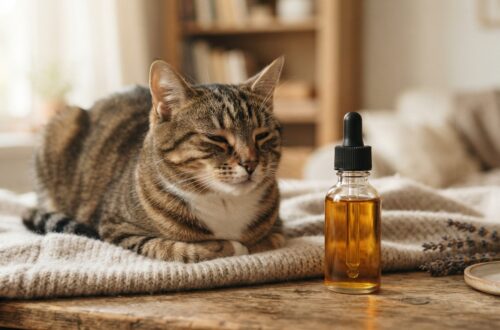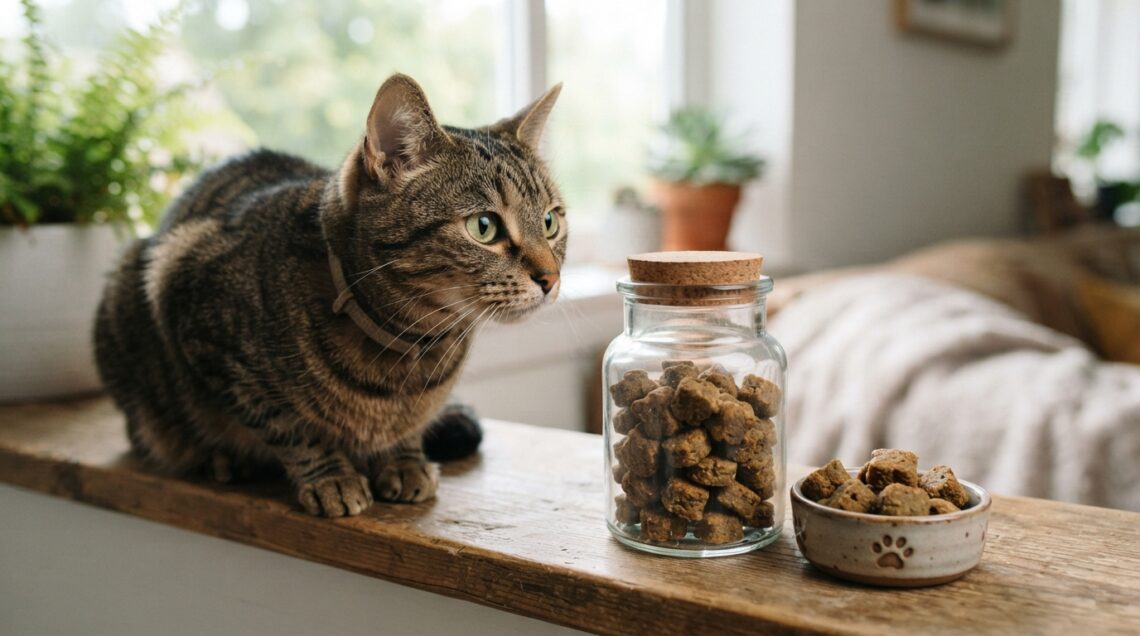
Walk into almost any pet specialty store today and there’s a decent chance a shelf near the register carries at least one hemp-derived treat option. That wasn’t true a decade ago. The rapid rise of Holistapet CBD cat treats has outpaced the regulatory framework meant to govern them, which leaves buyers navigating a category that’s growing fast, loosely policed, and still short on hard science.
Understanding how this market got here, and where the legal lines currently sit, helps explain both the appeal and the caution surrounding these products.
How Hemp Became Legal
The 2018 Farm Bill removed hemp, defined as cannabis containing no more than 0.3% THC by dry weight, from the federal list of controlled substances. That single change opened the door to the current wave of hemp-derived pet products. Before 2018, any cannabis-derived ingredient existed in a much murkier legal category regardless of THC content.
Since then, the USDA has issued rules governing interstate hemp commerce, but pet-specific product regulation has lagged behind. No federal agency currently runs a formal approval process for CBD pet treats the way it does for pet food additives or veterinary drugs.
Where the FDA Actually Stands
The FDA’s position is more cautious than most marketing on this category suggests. The agency has approved exactly one cannabis-derived product, a human seizure medication called Epidiolex, along with three synthetic cannabis-related drugs for human use. No over-the-counter CBD product, for pets or people, currently carries FDA approval.
In practice, this means every CBD cat treat on the market is operating without the kind of federal safety and efficacy review that applies to actual veterinary drugs. The FDA has also taken direct enforcement action against companies making unsupported claims. Warning letters sent to several pet CBD companies, including Free State Oils and Kingdom Harvest, cited unproven claims that their products treated conditions like seizures, inflammation, and stress in animals ranging from dogs and cats to horses and cattle, without any of those claims being backed by FDA-reviewed evidence.
Veterinarians Are in a Bind Too
Here’s a detail most cat owners don’t realize: in many states, veterinarians face real professional risk simply discussing cannabis products with clients, since veterinary licenses are regulated at both the state and federal level. California stands out as the only state that explicitly permits veterinarians to discuss cannabis with clients, though even there, vets remain prohibited from dispensing or directly administering cannabis products.
This creates an odd dynamic: products are sold openly at retail, but the professionals best positioned to give dosing and safety guidance are sometimes limited in what they can legally say about them.
Market Size, By the Numbers
Estimates vary meaningfully depending on which research firm is doing the counting and how broadly “CBD pet products” gets defined, but the overall trajectory is consistent across sources:
- Mordor Intelligence: roughly $303 million in 2025, growing to about $538 million by 2030 (12.2% CAGR)
- Straits Research: roughly $435 million in 2025, projected to reach $576 million in 2026, with a 32% CAGR through 2034
- MarkWide Research: roughly $295 million in 2026, projected to reach approximately $2.5 billion by 2035 (26.8% CAGR)
- Dogster’s market review: global pet CBD market projected to reach $1.7 billion by 2030, growing at roughly 31.8% annually
The spread between these figures comes down to methodology (which product categories and distribution channels each firm includes), not disagreement about direction. Every major forecast points toward continued, fast growth well into the 2030s.
Dog products currently account for roughly half of total pet CBD sales, down from around 68% in 2020, according to Dogster’s analysis of the category. Cat-specific products represent a smaller but faster-growing slice, with joint health and pain relief cited as leading purchase drivers among cat owners specifically.
Quality Control Gaps Behind the Growth Numbers
Fast growth in a category with light federal oversight tends to create a wide quality spread. The National Animal Supplement Council offers voluntary quality benchmarks that some manufacturers follow, but participation isn’t mandatory, and there’s no single federal body auditing pet CBD manufacturing the way the FDA audits, say, prescription veterinary drug production.
A few regulatory gaps worth knowing about:
- No standardized dosing requirements for CBD pet products
- No mandatory third-party testing requirement at the federal level
- Inconsistent state-level rules on veterinary discussion of cannabis products
- No federal labeling standard specific to pet CBD (general supplement labeling rules apply loosely)
The Toxicity Data Regulators Are Watching
Poison control data has become one of the more concrete data points regulators and veterinary groups track. Michigan State University’s College of Veterinary Medicine reported a 448% increase in marijuana-related cases logged by the Pet Poison Helpline over a several-year period, though that figure includes both THC and CBD-related exposures without distinguishing clearly between them, since the Helpline doesn’t separate the two categories in its case data.
The AVMA has noted that veterinary cases of cannabis toxicosis most commonly stem from THC exposure through edibles or direct plant material, with cats sometimes ingesting plant material directly rather than through processed products. This is part of the evidence base pushing FDA caution around the broader category, even as demand keeps climbing.
Where Things May Be Headed
Some companies are actively pursuing FDA approval for animal-specific cannabinoid products, a process that would bring formal efficacy and safety review to at least part of the category for the first time. Gail Golab of the AVMA has said she expects these efforts to eventually produce more reliable data than the current landscape of a small number of studies and mostly observational research.
Until that happens, the category exists in the gap between clear consumer demand, driven by double-digit annual market growth across every major forecast, and a regulatory system still working out how, or whether, to formally catch up.
How Other Countries Handle It
The regulatory patchwork isn’t unique to the United States. The European Union treats CBD-containing pet products under a stricter novel food and feed framework in several member states, which has slowed market entry compared to the U.S. in some cases. Canada’s approach sits somewhere in between, with Health Canada maintaining oversight of cannabis products broadly, including those marketed for animals, under rules separate from the general pet food regulatory system.
This international variation matters for buyers considering imported products or brands that manufacture overseas. A product legally sold in one country doesn’t necessarily meet the same testing or labeling standards required, or expected, elsewhere, which loops back to the earlier point about checking for a batch-specific COA regardless of where a product originates.
Industry Groups Trying to Fill the Gap
In the absence of mandatory federal standards, a handful of industry organizations have stepped in to offer voluntary frameworks. The National Animal Supplement Council is the most frequently cited example, offering a quality seal program that member companies can apply for, covering manufacturing practices and label accuracy commitments.
Participation remains voluntary, and a seal from an industry group isn’t equivalent to FDA approval or a government safety review. It does, however, offer a middle ground: a signal that a company has opted into some level of external accountability rather than operating with zero outside oversight, which is worth factoring in alongside COA availability when comparing brands.
What Buyers Can Reasonably Expect to Change
Movement toward formal FDA review of at least some animal-specific cannabinoid products appears to be underway, based on statements from AVMA officials about companies actively pursuing that pathway. Until an approval process exists specifically for pet CBD, though, the category will likely continue operating under the current patchwork of state veterinary rules, voluntary industry standards, and after-the-fact FDA enforcement against companies making unsupported medical claims.
Where These Products Actually Get Sold
Distribution channels shape oversight almost as much as federal rules do. Products sold through veterinary clinics generally pass through more scrutiny before a clinic agrees to stock them, since a vet’s professional reputation is attached to what’s on the shelf in the waiting room. Online retail, by contrast, has a far lower barrier to entry, and a new brand can list a product for sale with minimal vetting from the platform itself.
Mordor Intelligence’s market segmentation breaks the category down by distribution channel, including online retail, retail pharmacies, veterinary clinics, and other outlets, and online channels have generally captured a growing share of total sales as the category has expanded, consistent with broader pet product buying trends. That shift toward online purchasing puts more of the verification burden on individual buyers, since the built-in check of a veterinary clinic’s stocking decision isn’t part of the transaction.
Final Thoughts
CBD cat treats sit at the intersection of fast market growth and thin regulatory oversight, which puts more responsibility on individual buyers to vet products carefully than most pet food categories require.